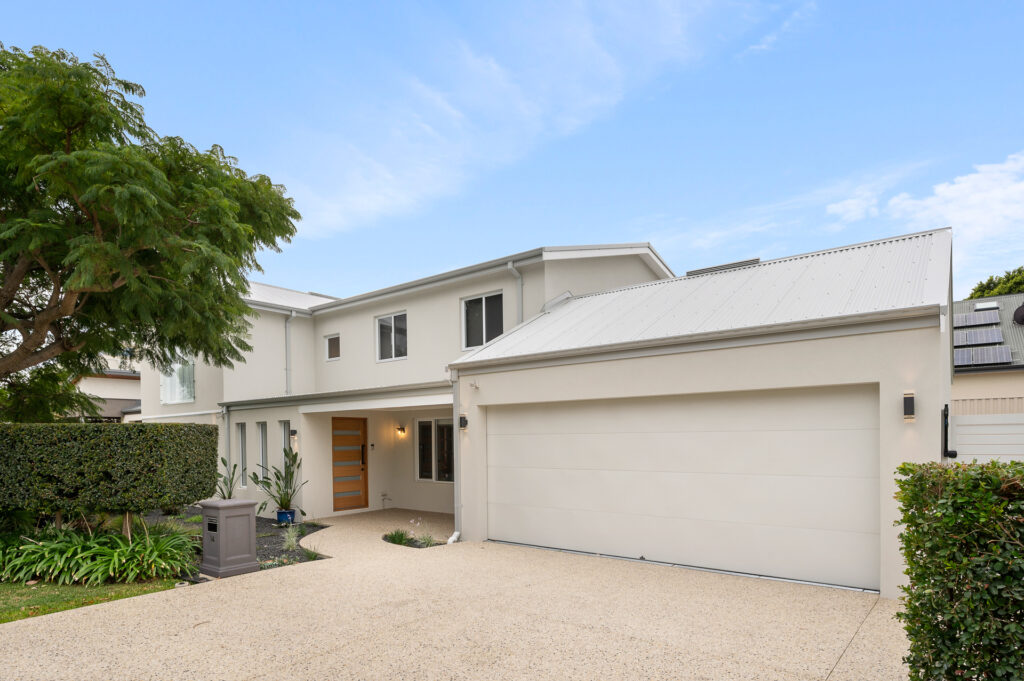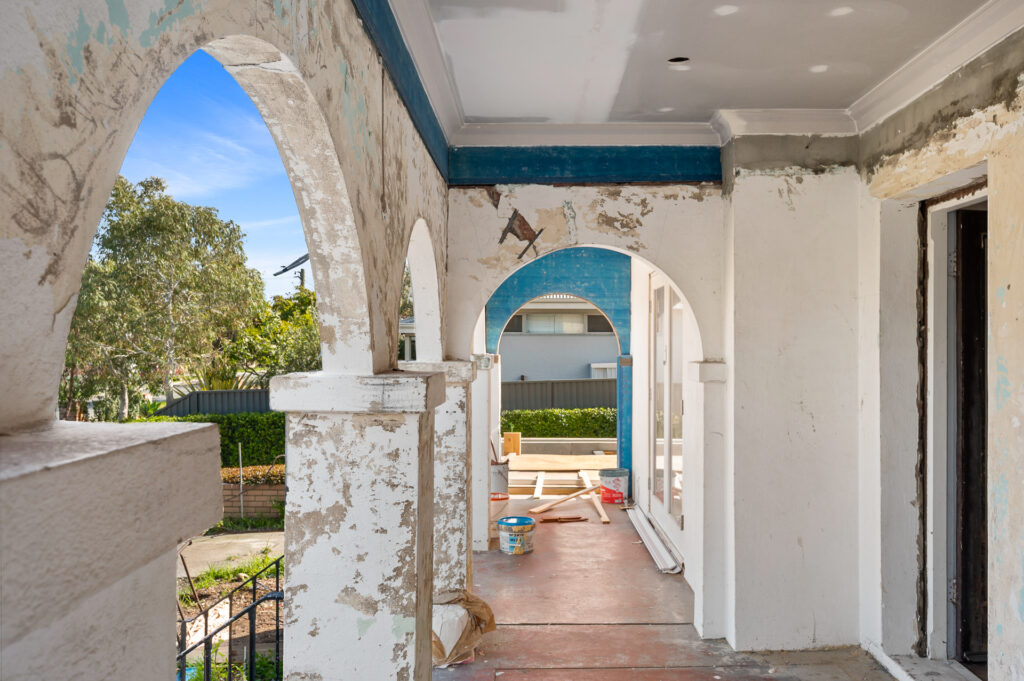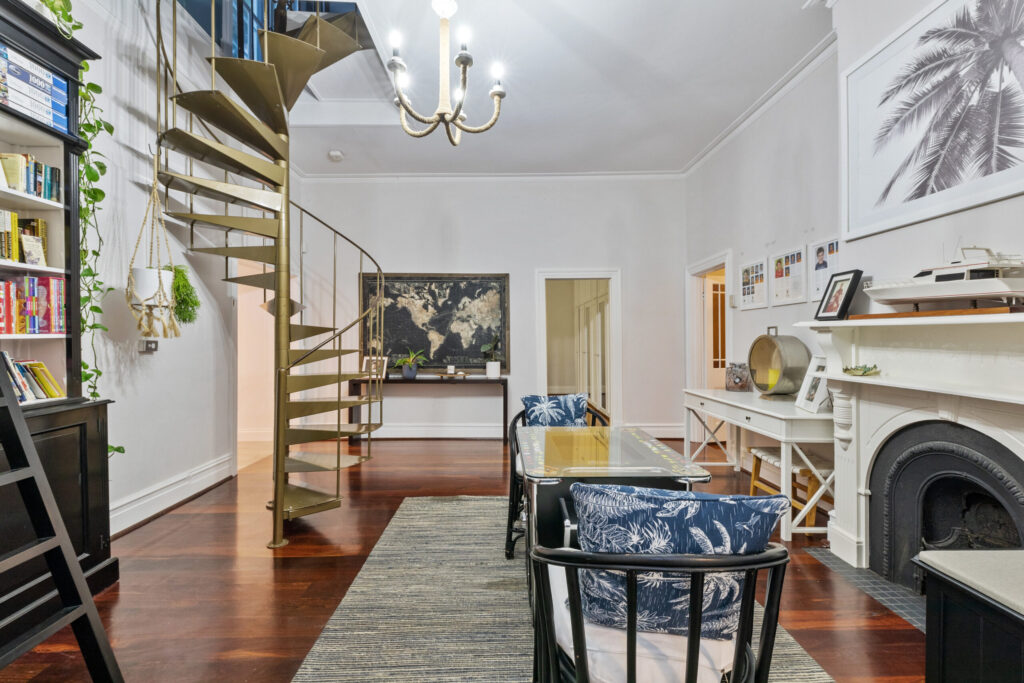
Where to spend and save on your home renovation
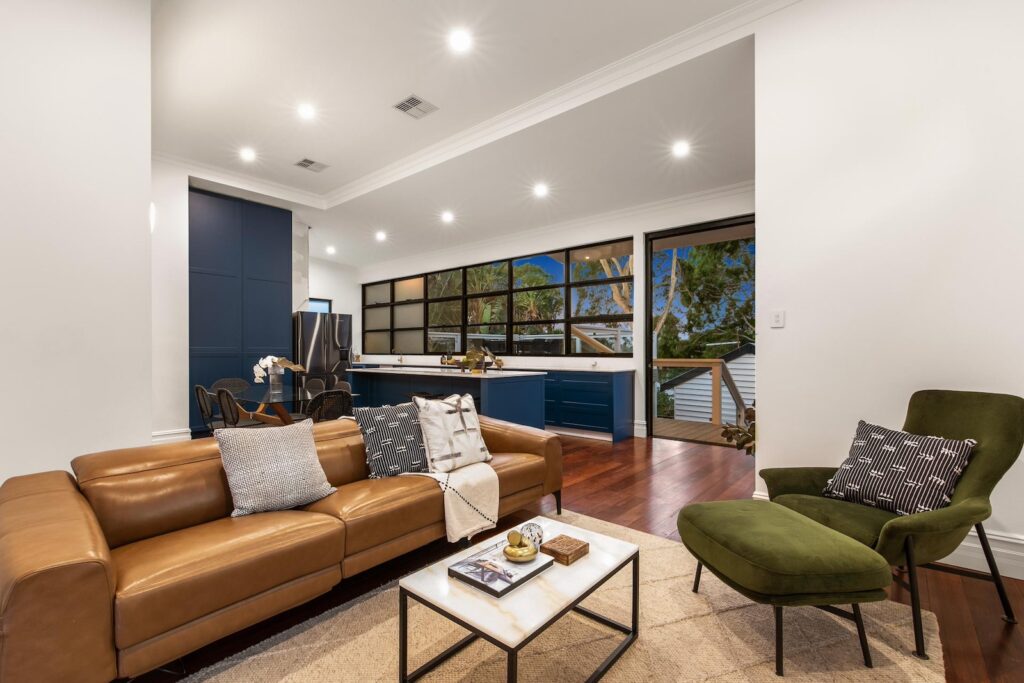
Renovating your home can be exciting…but also a little overwhelming. There’s so much to think about, and it’s easy to get carried away with ideas, trends, and finishes.

The trick is knowing where to spend and where to save so your home looks beautiful, feels functional, and reflects your personal style. After all, what’s high-impact for you, might be low-priority for someone else.

With 30+ years of experience renovating homes in Perth, we’ve seen it all.

Here are our top tips for where to splurge and where to save without compromising on style.


Spend on the big stuff

These are the areas that really transform a home, and spending wisely here pays off in lifestyle and long-term value. How much you prioritise each depends on what matters most to you.


Spend: light, flow, and structural changes

If you’re going to spend anywhere, spend on the things that actually affect how your home feels. Knocking down a wall, opening up spaces, or adding a skylight can completely change the sense of space, make rooms feel brighter, airier, and more inviting.


Tip: focus your budget on changes that improve light, flow and functionality of your space.

These upgrades make your home more enjoyable, plus they’re investments that last.


Spend: high-use spaces

Your kitchen, living room, and master suite are where you spend most of your time, so they deserve a little extra love. Think benchtops that are both practical and stylish, smart storage, or a master ensuite that feels like a private retreat.

If you’re investing in high-end features and can afford it, go for quality items that will last for the long haul – you don’t want short-lived replacements in a premium renovation.


Tip: investing in cabinetry that is built to last will save headaches and money over time.

Investing in high-use spaces, like kitchens, add real value to your property, so it’s where your budget can make the biggest impact.

Spend: windows and doors

Natural light is everything. Large sliders, stacker doors, or floor-to-ceiling windows instantly open up a space and bring the outdoors in, perfect for Perth’s indoor-outdoor lifestyle.

The fact is, they do come with a higher price tag. So, if you love steel-framed doors or ribbed glass but the cost is a bit prohibitive, then use them selectively rather than throughout the house.


Tip: comfort-plus glass is a smart investment.

It may be more expensive upfront but it improves energy efficiency and, of course, keeps your home comfortable during our hot summers and chilly winters.


Save on the easy swaps

Not all of these ‘save’ options should be done together – if you cut corners on everything here, it can make your home feel low-quality. So be strategic and pick a few areas to save and allow for some well-chosen furnishings or finishings to maintain a luxurious feel.

Save: tiles and taps

Trendy tile and taps are fun but can date quickly. You can save here by picking timeless options that suit your style and are easy to swap out down the track if your taste changes.


Tip: bear in mind, the size and type of tap can vary dramatically and add costs.

Choose something functional and durable, as it is a high-use item.

You could always opt for a standout mixer in the kitchen, and select more practical, budget-friendly options for less prominent spaces, like the laundry and bathrooms. 


Save: lighting

You don’t need a statement light in every room. Focus on a few wow-factor pieces in key areas (like the ones pictured below) and rely on smart ambient lighting elsewhere.


Tip: statement pieces in the kitchen and more understated (and budget-friendly) lighting in other rooms will give you the style impact without the hefty price tag.

You can always add simple but highly effective additions like LED strips under bathroom vanities, kitchen worktops or cabinets. They’re affordable and create a big visual impact.

Save: paint, soft furnishings, and accessories

Walls, cushions, rugs, and throws are an easy way to refresh a room without a major spend. They’re a flexible, low-cost way to update your style over time without major renovations.


Tip: keep your walls a soft neutral, then bring the colour and personality in with your furnishings. 

Easy to update, easy on the budget.


Save: hardware and fixtures

Handles, knobs, and taps are small details that can be stylish without breaking the bank. Pick pieces you love, but don’t feel you need to go designer on everything. Plus, updating cabinet handles is a quick, inexpensive way to change the look of a space.

  • Tip: make sure you still prioritise quality though, as it needs to be functional and last the test of time.

Balance is key – some quality fixtures are worth investing in to keep a premium feel. For example, you could spend on your kitchen mixer, which will be highly used and visible, and save on your bathroom tapware.


Tip: there are plenty of brands out there.

Always go for a minimum 3-year warranty (you won’t regret it).

Make your renovation work for you

Ultimately, renovating is about creating a home that looks fantastic but also makes sense financially.

  • Spend where it counts: light, flow, and the rooms you use every day.
  • Save where it won’t affect your day-to-day comfort or style.
  • Mix and match your spends and saves thoughtfully, and you’ll end up with a home that’s both luxurious and smartly budgeted.

5 Floorplan Mistakes That Are Secretly Costing You Money, Space, and Sanity
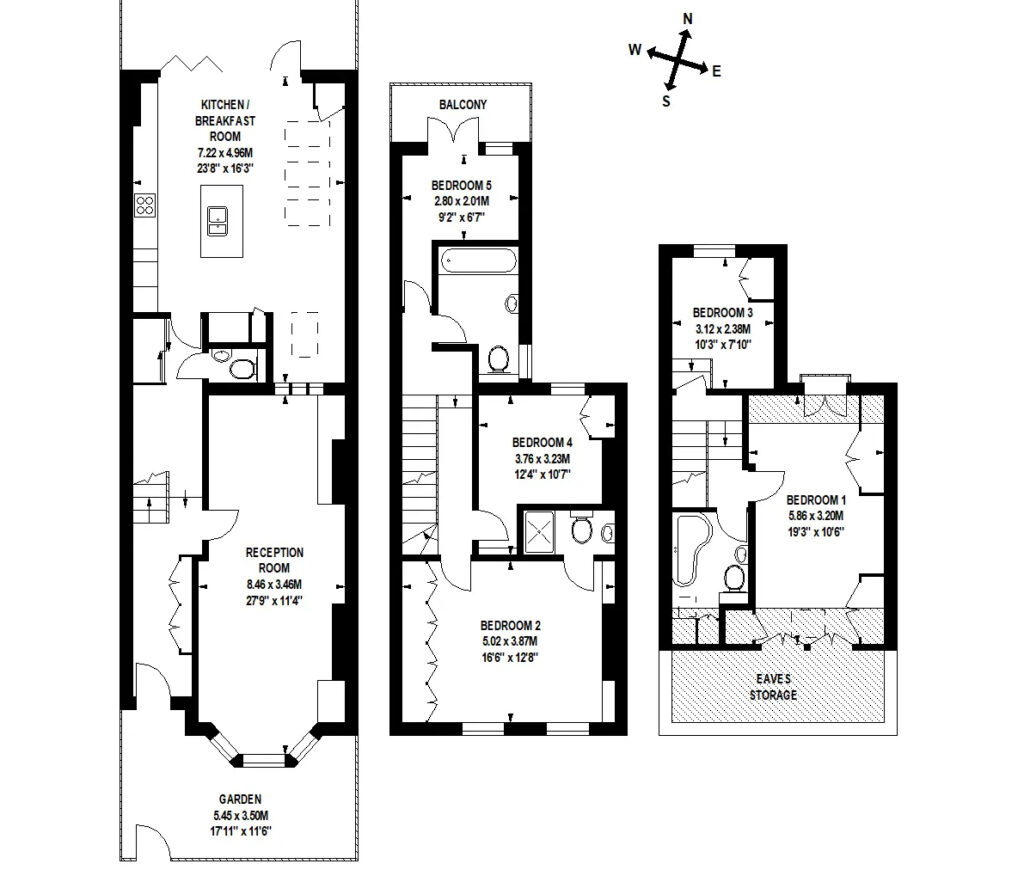
Some homes have “wow factor” spaces that look impressive at first glance – formal lounges, wide hallways, or sprawling layouts. But in reality, these spaces are often unused or underused. They take up valuable square metres, make everyday living awkward, and sometimes end up as storage zones or ‘dead space’.

If you’re renovating an existing home, recognising these 5 common floor plan mistakes is key. Addressing them early ensures your renovation dollars are well spent to create a home that will actually work for the way you live.

Here are five floor plan pitfalls to watch out for, and what to do instead.  


1. The formal front lounge that nobody uses

Pain point: That formal room near the front door might look great, but in practice it’s often rarely used. It might be dark, tucked away, be a storage space, or simply be too formal for everyday life. It’s taking up space that could be better used.

How to make it work: Open it into your main living area or repurpose it for a space you’ll actually use – a study, playroom, or maybe even a big new bedroom? Make every square metre count – functional spaces always beat rooms that “look nice.

2. Hallways that steal space and money

Pain point: Oversized corridors can feel luxurious, but they can waste space and energy. You’re paying to cool, heat and clean areas no one ever spends time in. 


How to make it work: Reclaim the space.

Narrow the hallway and use the extra area for storage, a window seat, another toilet or laundry closet, or an extension of the kitchen.

Even small tweaks to your floor plan can dramatically improve the flow and usability of your home, especially if you want it to feel practical and modern.

3. Kitchens that don’t flow outdoors

Pain point: Many older homes have kitchens that are tucked away from the backyard or alfresco area. Cooking and entertaining can feel like a workout when your kitchen is isolated. Entertaining becomes stressful, not fun.


How to make it work: Create connection. We Aussies love indoor/outdoor living, so consider adding sliding doors (with flyscreens?).

If you don’t already have outdoor dining, shift your dining area closer to the outdoor space.  Simple changes like these make food prep, dining, and at-home socialising far more seamless.

4. Bedrooms next to noise

Pain point: Bedrooms next to the TV are not ideal! Having to keep the volume down to get the kids to bed and having interrupted sleep makes life hard.


How to make it work: Soundproof walls with clever storage or bookcases, or reconsider bedroom placement if it’s an option.

Proper zoning creates calm, privacy, and better sleep for everyone.

5. Forgetting how you actually live

Pain point: A floor plan might look good on paper, but if it doesn’t fit your lifestyle, your home can feel awkward and frustrating to live in. You’ll wonder why things never feel “right,” even after spending thousands renovating. Window placement can add to the problem. If windows are locked into awkward spots, they can limit where furniture goes, restrict storage options and stop you from creating the floor plan you actually need.

How to make it work: Think about your routines. Where do you cook, eat, relax, work? Do you entertain outdoors? Consider how natural light moves through your home and how flexible you want each space to be. Good window placement should support your layout, not work against it. Let your renovation work around your life, not just aesthetics. Planning with real-life use in mind saves money, time, stress, and those “why didn’t we think of that?” moments.


A renovation isn’t just about making a house look nice, but about making it work beautifully for how you live in it.

Avoid these floor plan mistakes now, and you’ll save money, time, and a lot of headaches to create a home that feels effortless, practical, and welcoming.


Need renovation help?

We’ve helped hundreds of Perth homeowners turn awkward layouts into homes that truly work for them. If you’re thinking of renovating and want expert guidance to make the most of your space, get in touch!

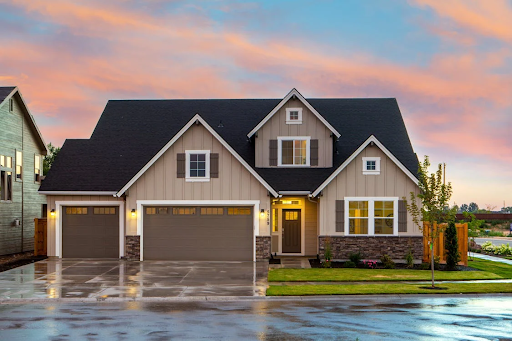
A house with a wet driveway and roads outside

Home Improvement Renovations For Extreme Aussie Weather
While many people enjoy living in Australia for its scenic views and rich biodiversity, the country experiences extreme weather conditions throughout the year. This results in homes needing the necessary adaptations to withstand the country’s climate. To guide you through on how to cope up with this weather, here are several home improvement renovations to remember for your Aussie home.

Australia’s Climate Challenges

Since Australia has different weather patterns based on location, it is best that you should adapt your residential renovations according to your area. For everyone’s information, Australia’s climate has hot desert temperatures in the central and western plateau while the east and southwest coasts experience oceanic weather. To add to that, the southwest coast has a warm Mediterranean climate compared to the previous ones. 

Heat waves, storms, cyclones, and flooding are some of the key weather threats you should consider when planning home upgrades. To note, Aussie cities experience the “urban island heat” effect, where cities are much warmer than rural areas. 

Homeowners can also maximise climate projections and their implications for home design. A few of these scientific predictions say that the country will likely see an increase in temperature. So, integrating specific home features will help in managing the extreme weather conditions.

Essential Heat Management Renovations

When managing heat and ensuring you don’t experience extreme temperatures in your home, remodeling contractors are the professionals to call. Their knowledge and expertise can guide you in creating a house with heat management features. These include advanced roof and ceiling solutions, window modifications, and wall protection strategies.

Residents can also ask contractors to add heat-reflective roof coatings and materials to minimise home heat. They can incorporate proper ventilation systems and whirlybirds to lessen the interior temperature. You can also do insulation upgrades for maximum efficiency. These home improvement renovations can also lessen your utility costs by optimising the heat outside. In this way, you no longer have to adjust your heating and cooling system.

Another integration you can request from builders is double-glazing your windows to suit your weather conditions. These involve tints that block the sun’s harsh rays. Aside from tinting, you can also add external shades like awnings and shutters.

When it comes to protecting your outdoor walls, you can ask professionals about heat-reflecting paints. These paints have anti-glare formulas in their pigment that absorb less UV rays that help decrease your home’s temperature. 

Storm and Heavy Rain Protection

Storms and heavy rains can damage your home due to their strong winds and downpours. That’s why protecting your home and family from these occurrences is essential. One way to do this is by adding structural reinforcements like roof tie-down systems. These systems connect the roof to the home’s foundation to prevent it from flying away due to strong winds.

To prevent flooding, you can ask your contractor about advanced water management solutions. This includes improved guttering systems that redirect water away from the home. Looking into underground drainage solutions, retaining wall improvement, and flood-resistant flooring are also good options.

Energy-Efficient Climate Control

For your home improvement & renovation project, consider energy-efficient climate control, such as passive cooling design principles. With these principles, it promotes natural ventilation and thermal mass utilisation in your home which gives an effective heat absorption, retention, and release in the building. Moreover, you can also talk to your builders about cross-ventilation improvements for better airflow.

In addition, active cooling solutions are ideal options. These can include energy-efficient air conditioning systems, which are vastly available in the market. Other choices include smart home integrations for climate control that automatically adapt to external temperatures that regulate indoor climate. 

Outdoor Space Adaptations

Home improvement renovations are not only limited to bettering the indoor spaces, you also need to protect your outdoor area. In order to do that, there are several ideas that will help you boost your home’s outdoor appearance and functionality

To ensure the space is protected from extreme weather, make sure to check out:

  • Retractable awning systems
  • All-weather decking materials
  • Rain-sensitive automatic covers

Regarding gardening and landscaping, there are several features to consider. Since Australia tends to get really hot during the summer, you can opt for drought-resistant plants such as Lavender, Agapanthus, Bottlebrush, Bougainvillea and Westringia.

Moreover, you can add water-efficient irrigation systems that offer multiple benefits. In  this way, you can help conserve water, lessen utility bills, deter weeds, improve plant health, and more. In addition to these elements, you can strategically add trees for shade and natural cooling.

Cost Considerations and ROI

Weatherproofing your home can cost a significant amount of money. However, a home renovation is a smart investment. These construction projects boast several benefits, such as:

  • Increased property value
  • Enhanced livability
  • Long-term money savings
  • Emotional and lifestyle benefits
  • Long-term financial and emotional stability

By investing in these upgrades, you can protect your home against harsh Australian weather and climate. You may also receive other benefits like insurance premium reductions for sustainable elements, government rebates, incentives, and more.

Weatherproof Your Aussie Home With Mista Reno

Weather-resistant home improvement renovations offer multiple long-term benefits. They protect your residence’s integrity, especially in harsh weather conditions. In fact, they have sustainable perks that lessen your utility bills and make your home a more environmentally friendly place.

That said, professional building companies like Mista Reno offer Australian clients their knowledge and expertise in home remodeling and renovations. We’re renovation experts with over twenty years of industry experience, making us one of the top choices for home improvement projects. Get in touch with us today so we can help you protect your home against the harsh Australian weather!

Frequently Asked Questions (FAQs)

If you’re looking into home improvement renovation, here are a few commonly asked questions you might have.

What home improvements add the most value in Australia?

Different home improvement projects can add the most value to your Aussie home. The projects with the best financial returns include kitchen renovations, bathroom upgrades, and landscaping.

Can you claim home renovations on your taxes in Australia?

Yes, Australians can claim home renovations on their taxes. However, the returns depend on the different renovation types.

Does home insurance cover home improvements or renovations?

Yes, insurance companies tend to cover home improvements or renovations. But, you should thoroughly review your policy’s terms and conditions to check if your intended changes fall under the coverage.